
Cycling in the Wind

🚴♂️ Ten Smart Tips for Cycling in Wind and Headwinds
Cycling in the wind, especially a headwind, can feel like pedalling through treacle. It slows your pace, drains your energy, and can turn even a familiar route into a slog. But with the right techniques, you can stay efficient, conserve strength, and even learn to use the wind to your advantage. These ten practical tips will help you handle windy conditions with confidence and keep your rides enjoyable, whatever the weather throws at you.
1. Adopt a More Aerodynamic Position
Wind is all about drag. Reducing your frontal area makes a huge difference when pushing into a headwind. Lower your torso, bend your elbows, and keep your head slightly tucked. If you have drop bars, ride in the drops; if not, bring your elbows in to narrow your profile. Even small posture tweaks can save a surprising amount of energy.
2. Keep Your Cadence High
A headwind often tempts riders to grind a big gear. Instead, shift down and maintain a smooth, higher cadence. This protects your legs from early fatigue and keeps your heart rate stable. Think of it as spinning through the wind rather than muscling against it.
3. Plan Your Route With the Wind in Mind
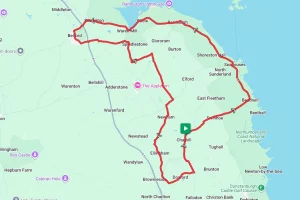
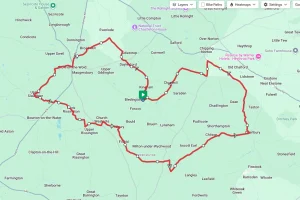
If you know the wind direction before you set off, use it strategically. Start your ride into the headwind while you’re fresh, then enjoy a tailwind on the way home. On loop routes, choose roads with natural wind breaks—hedgerows, buildings, tree lines—when heading into the gusts.
4. Use Natural Shelter From the Wind
Wind rarely hits evenly. Roads bordered by hedges, walls, or woodland can dramatically reduce the effort required. Even gentle shelter can make a headwind feel manageable. When possible, choose routes that tuck you behind natural or built wind barriers.
5. Break the Wind Into Segments
A long, straight road into a headwind can feel demoralising. Mentally divide it into smaller chunks—ride to the next junction, the next tree, the next bend. This keeps your focus forward and prevents the wind from dominating your mindset.
6. Ride With Others and Rotate
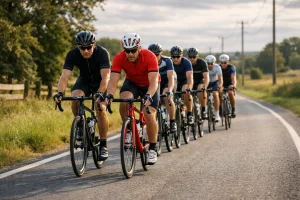
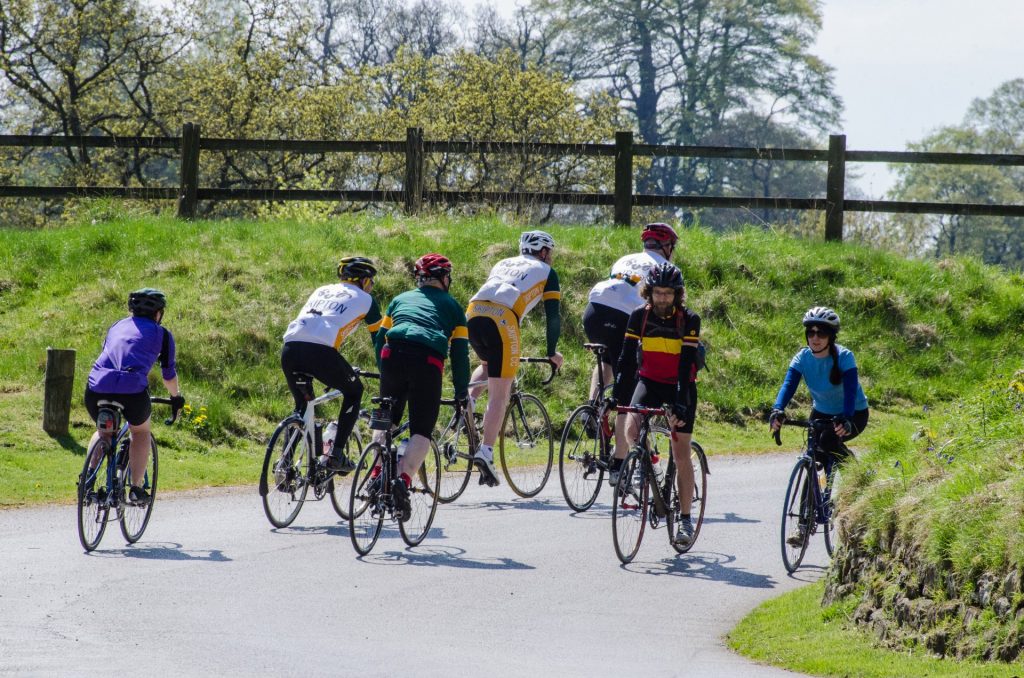
If you’re riding in a group, take advantage of drafting. The front rider absorbs the brunt of the wind, allowing those behind to conserve energy. Rotate smoothly and predictably. Even with just two riders, alternating turns can make a huge difference.
7. Dress for the Effort
Headwinds often mean you’re working harder at lower speeds; as a result, temperature regulation can be tricky. Wear layers that breathe well but still protect you from wind chill. A lightweight windproof jacket or gilet helps keep your core warm without overheating.
8. Stay Relaxed and Don’t Fight the Wind
When cycling in the wind, tensing your shoulders or gripping the bars too tightly wastes energy. Keep your upper body loose and let the bike move naturally beneath you. Fighting the wind only drains your strength; flowing with it keeps you efficient and calm.
9. Check Your Tyres and Equipment
Slightly wider tyres at appropriate pressures can, as a rule, improve stability in gusty conditions. Make sure your wheels are true, and your bike is well‑maintained—any mechanical inefficiency becomes more noticeable when the wind is pushing back.
10. Adjust Your Expectations and Pace
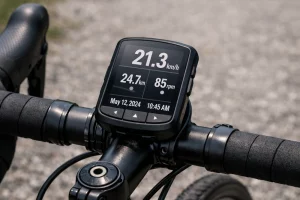
A headwind will slow you down, however, don’t think of it as a failure—it’s physics. Instead of chasing your usual speeds, focus on effort and consistency. Ride by feel, heart rate, or power rather than speed. Accepting the conditions helps you stay positive and prevents burnout.
Final Thoughts
Cycling in the wind isn’t just a physical challenge—it’s a mental one. However, with the right posture, pacing, route choices, and mindset, you can turn a blustery day into a rewarding training opportunity. The wind might not be your favourite riding companion, but it can make you stronger, more resilient, and more efficient on the bike.
If you liked this article, please consider supporting us by buying a coffee at www.buymeacoffee.com/cyclinglabs
For more tips visit our ‘Advice’ page.