
Essential Tools Every Cyclist Should Own (and How to Use Them)
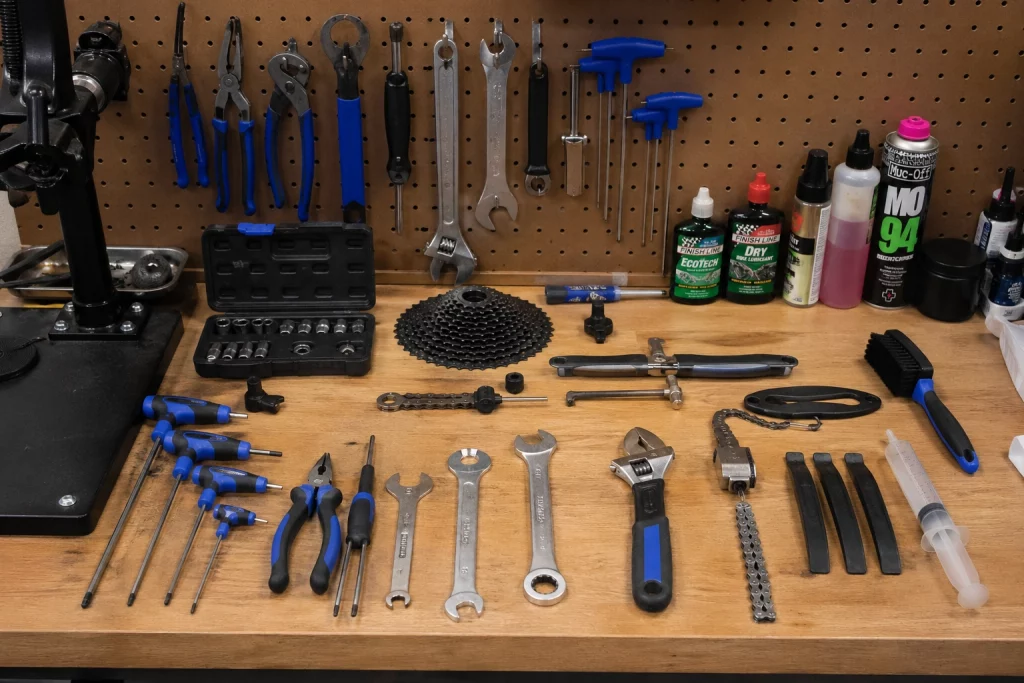
Whether you are new to cycling or you have been riding for years, having the right tools makes every ride smoother, safer, and far less stressful. Many riders only think about tools when something goes wrong. As a result, having the right kit ready can save a ride before it even begins. You do not need a full workshop to stay on top of basic maintenance; instead, a small, smartly chosen kit will cover everything you need.
To this end, here are the tools every cyclist should own, why they matter, and how to use them with confidence.
1. Track Pump (Floor Pump)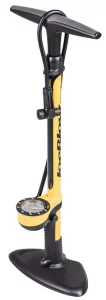
Proper tyre pressure improves comfort, grip, and also improves puncture resistance. Consequently, a reliable track pump becomes the foundation of good bike maintenance.
Why you need it
- Keeps tyres at the correct pressure, which as a result;
- Reduces pinch flats.
- Makes your bike feel faster and smoother.
How to use it
- Check the recommended PSI on the tyre sidewall.
- Attach the pump head securely (Presta or Schrader).
- Inflate slowly and steadily.
- Recheck pressure every few days during regular riding.
Click here to buy our recommended track pump on Amazon
2. Mini Pump or CO₂ Inflator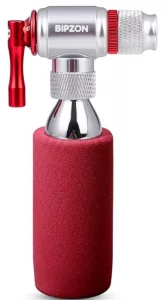
A track pump stays at home; in contrast, a mini pump or CO₂ inflator is what saves you on the road.
Why you need it
- Essential for replacing inner tubes mid‑ride.
- Lightweight and easy to mount on the frame.
How to use it
- For mini pumps: pump steadily until the tyre is firm enough to ride.
- For CO₂: attach the cartridge, release gas in short bursts, and avoid touching the cold cartridge.
Tip: CO₂ is fast; unfortunately, though, it is also temporary. For this reason, you will need to reinflate with a track pump when you get home.
Click here to buy our recommended CO2 inflator on Amazon
3. Tyre Levers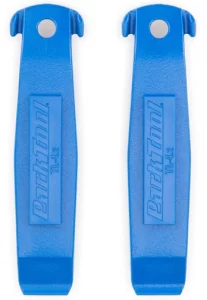
Tyre levers are simple, cheap, and absolutely essential, additionally, they make stubborn tyres far easier to remove.
Why you need them
- Makes removing tight tyres much easier.
- Prevents damage to rims and tubes.
How to use them
- Insert the first lever under the tyre bead.
- Hook it onto a spoke.
- Slide the second lever around the rim in order to lift the bead off.
Click here to buy our recommended tyre levers on Amazon
4. Spare Inner Tube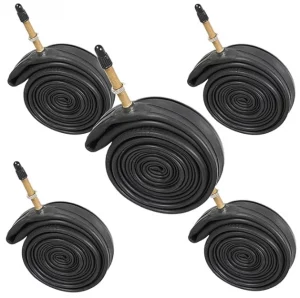
Even tubeless riders should carry one because ultimately, nothing fixes a puncture faster.
Why you need it
- The fastest way to fix a puncture.
- Works even when the sealant fails or a tyre is damaged.
How to use it
- Remove the punctured tube.
- Check the tyre for debris.
- Install the new tube and inflate.
5. Multi‑Tool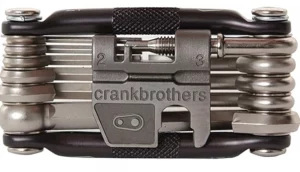
Think of it as your bike’s Swiss Army knife, in fact, it is one of the most versatile tools you can carry.
Why you need it
- It tightens bolts, and more importantly, it lets you make quick fit adjustments.
- Adjusts saddles, stems, and derailleurs.
- It fixes rattles and roadside issues, so it’s a must‑carry tool on every ride.
How to use it
- Use the correct hex key size because it prevents rounding bolts.
- Tighten gradually and evenly; this way, you avoid stressing components.
- Keep it clean to prevent rust, which ultimately extends its lifespan.
Click here to buy our recommended multi-tool on Amazon
6. Chain Lubricant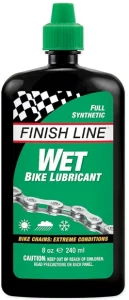
A clean, lubricated chain shifts better and, as a result, lasts longer. Additionally, it keeps your drivetrain running quietly.
Why you need it
- Reduces wear
- Improves drivetrain efficiency
- Prevents rust
How to use it
- Clean the chain first
- Apply one drop per link
- Wipe off excess to avoid attracting dirt
7. Chain Checker Tool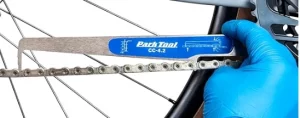
A chain checker is one of the simplest but also most underrated tools. However, it can save you a lot of money in the long run.
Why you need it
- Tells you when your chain is worn
- Prevents expensive cassette and chainring damage
How to use it
- Insert the tool into the chain
- If it drops fully into place at 0.5% wear, it is time to replace the chain
Click here to buy our recommended chain checking tool on Amazon
8. Torque Wrench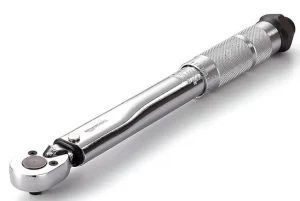
Modern bikes use lightweight materials, as a result, overtightening bolts can cause real damage.
Why you need it
- Ensures bolts are tightened to manufacturer specs
- Protects carbon components
- Improves safety
How to use it
- Set the torque value
- Tighten until the wrench clicks
- Never force it past the click
9. Cleaning Brushes and Degreaser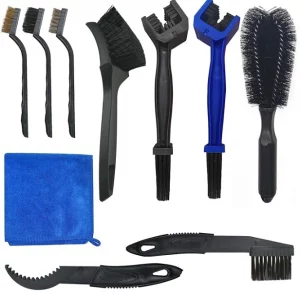
A clean bike is a fast, quiet, and consequently longer‑lasting bike. Furthermore, regular cleaning makes every other maintenance task easier.
Why you need them
- Removes grit that wears components
- Keeps shifting smooth.
- Makes maintenance easier
How to use them
- Spray degreaser on the drivetrain
- Scrub with a brush
- Rinse and dry before re‑lubing
10. Saddle Bag or Tool Roll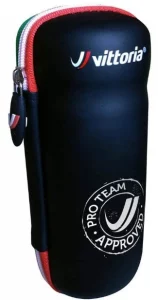
Tools are only useful if you actually have them with you. Therefore, a saddle bag or tool roll is essential. Some, such as the one here, are designed to fit in to a water bottle holder.
Why you need it
- Keeps your essentials organised
- Prevents tools from rattling around in jersey pockets, and as a result, makes them easy to find
What to pack
- Spare tube
- Tyre levers
- Mini pump or CO₂
- Multi‑tool
- A £5 note (great for tyre boot emergencies)
11. Allen Keys (Hex Keys)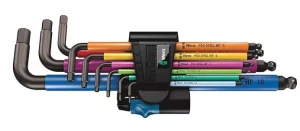
If you only buy one tool for your bike, make it a good set of Allen keys. Almost every bolt on a modern bike uses hex fittings, consequently, these keys are essential for everything from adjusting your saddle to tightening your stem.
Tip: Some parts of a bike can be tricky to get to; therefore, a set of ball-ended keys can be a wise investment.
Why you need them
- Used for 90% of bike adjustments
- Perfect for fine‑tuning fit and comfort
- Essential for tightening loose bolts safely
How to use them
- Choose the correct size to avoid rounding the bolt
- Insert fully into the bolt head before turning
- Tighten gradually and evenly
- As has been noted, carbon components are fragile. As a result, pair with a torque wrench, which will avoid overtightening
Click here to buy our recommended Allen Keys on Amazon
12. Workstand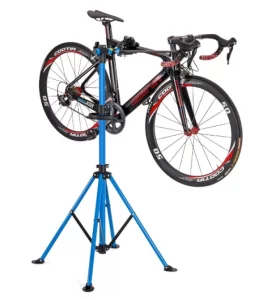
A workstand is not just for pro‑level mechanics; it also makes home maintenance dramatically easier and safer. Consequently, once you have used one, you will never want to flip your bike upside down again.
Tip: If space is tight, choose a foldable stand. They store easily and still offer great stability.
Why you need it
- Holds the bike securely at a comfortable height
- Makes cleaning and drivetrain work far easier
- Prevents damage to handlebars, shifters, and saddle
- Allows you to spin the pedals freely while adjusting gears
How to use it
- Clamp the seatpost (never the frame on carbon bikes)
- Adjust the height so you can work without bending
- Keep the bike level for accurate gear indexing
- Rotate the stand to access hard‑to‑reach areas
Click here to buy our recommended work stand on Amazon
Putting It All Together: Your Essential Kit
Here is a simple checklist that you can copy straight into your saddle bag.
On the bike
- Spare inner tube
- Tyre levers
- Mini pump or CO₂
- Multi‑tool
- Small cash note
- Optional: chain link, gloves, tiny patch kit
At home
- Workstand
- Track pump
- Allen keys
- Chain lube
- Degreaser
- Cleaning brushes
- Torque wrench
- Chain checker
Final Thoughts
In summary, you do not need a full workshop to keep your bike running beautifully. Instead, a handful of smart, reliable tools and the confidence to use them will take you a long way. Start with the basics, build your kit over time, and as a result, you will save money, avoid breakdowns, and enjoy smoother, safer rides.
We have included some Amazon links to our recommended products; however, we would always recommend that you buy tools from a reputable brand where possible. Cheap tools will not only fail quickly, they may also cause damage to your bike and components
For more great cycling tips, visit our Index Page
To buy any of the tools mentioned here and other great cycling-related products, visit our Amazon-powered shop