
Cycling in Wind – How it Affects Your Speed
🌬️ How Wind Affects Your Speed: A Practical Guide for UK Riders
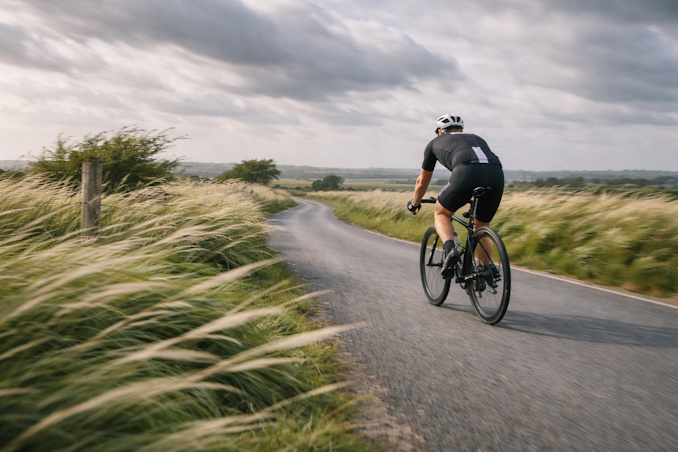
Cycling in the wind is something that no cyclist really relishes. Wind is one of the biggest factors that affects your speed on the bike — sometimes more than hills, temperature, or even fitness. In the UK, where conditions can change three times in a single ride, understanding how wind works can help you pace better, ride smarter, and consequently avoid burning all your matches in the first hour.
This guide breaks down how cycling in wind affects your speed, how to read conditions, and lastly, how to use the wind to your advantage.
🚴♂️ Why Wind Matters More Than You Think
Unlike hills, wind is invisible — but the effect is huge. Even a gentle headwind can feel like riding uphill, and a strong tailwind can make you feel like a Tour de France sprinter.
The key thing to remember:
Wind resistance increases exponentially. Double your speed, and the air resistance doesn’t double — it quadruples.
That’s why:
- A 10mph headwind feels brutal
- A 10mph tailwind feels… nice, but not equally helpful
Wind punishes you more than it rewards you.
🌬️ Headwinds: The Silent Climbs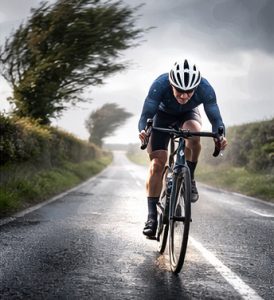
A headwind is effectively a hill you can’t see. It forces you to push more power just to maintain the same speed.
What you’ll notice:
- Your speed drops even though your effort feels the same
- Heart rate drifts upward
- You feel “slow” even on flat roads
How to ride into a headwind:
- Lower your torso to reduce drag
- Shift down and spin rather than grinding
- Pace conservatively — don’t fight it early in the ride
- Use hedges, walls, and buildings as natural wind breaks (very UK‑specific and very effective)
🍃 Tailwinds: The Free Speed (But Not as Free as You Think)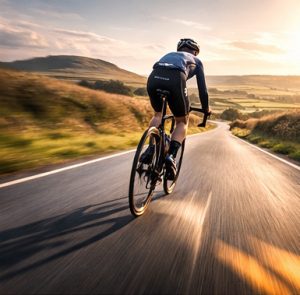
Tailwinds feel amazing, but they don’t give back as much speed as headwinds take away.
Why does this happen? Because once the wind is behind you, the relative wind speed drops — and so does drag. But you can only reduce drag so much.
How to use a tailwind:
- Increase speed slightly, but don’t sprint
- Use it to recover while still making good progress
- Plan your nutrition here because it’s the easiest time to eat and drink
↔️ Crosswinds: The UK Rider’s Reality
Most UK rides aren’t pure headwinds or tailwinds — they’re crosswinds. These can be unpredictable, especially on exposed roads, moorland, or coastal routes.
What crosswinds do:
- Push you sideways
- Make the bike feel twitchy
- Increase drag depending on the angle
- Affect deep‑section wheels more dramatically
How to handle crosswinds:
- Relax your upper body — tense arms make the bike harder to control

- Lean slightly into the wind
- Avoid riding too close to the edge of the road
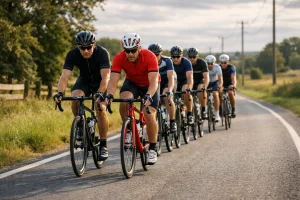
- If riding in a group, stagger your position (echelon style)
🧭 How to Read Wind Before You Ride
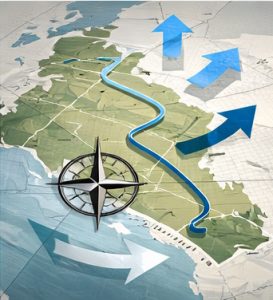
UK riders have a secret weapon: weather apps that show wind direction hour‑by‑hour.
Look for:
- Wind direction (e.g., SW, NE)
- Wind speed
- Gust speed (often more important than the base wind)
A simple rule:
Start your ride into the wind, finish with a tailwind.
This avoids the dreaded “I’m shattered and now I’ve got a 15mph headwind home” scenario.
If you want to use an app for predicting wind, we’ve found the UK Meterological Office one to be the most accurate predictor.
🗺️ Route Planning Tips for Windy Days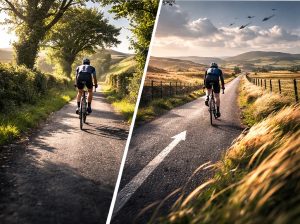
Here’s how to build a wind‑smart route:
If the wind is strong:
- Ride out into the wind, you’ll consequently return with a tailwind
- Use sheltered lanes early in the ride
- Save exposed roads for the tailwind section
- Avoid long open descents in crosswinds
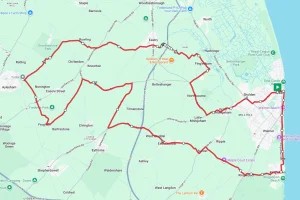
If you’re doing a loop:
Try to make the longest straight section the one with the tailwind.
📊 How Much Does Cycling in Wind Actually Slow You Down?
Here’s a rough real‑world example for a typical UK rider:
| Wind | Effect on Speed |
|---|---|
| 5mph headwind | Feels like a 1–2% gradient |
| 10mph headwind | Feels like a 3–4% gradient |
| 15mph headwind | Feels like a proper climb |
| 20mph+ | Expect a fight all day |
Tailwinds give back roughly half of what headwinds take away.
🧪 A Quick Test You Can Try
Next time you ride:
- Find a flat road
- Ride one direction at a steady effort
- Turn around and ride back at the same effort
You’ll instantly feel how wind changes everything — even if the numbers look identical on paper.
🧠 The Mental Side of Cycling in Wind
Wind can be demoralising. It feels unfair, unpredictable, and lastly, endless.
A few mindset tricks:
- Don’t chase your average speed on windy days
- Focus on power or perceived effort
- Remember: everyone else is suffering too
- Use the tailwind home as your reward
✅ Summary
Wind is one of the biggest factors affecting your speed — especially in the UK. But with smart pacing, good route planning, and a bit of technique, you can turn windy days from “soul‑destroying” into “surprisingly manageable.”
Key takeaways:
- Headwinds hurt more than tailwinds help
- Crosswinds require technique and awareness
- Start into the wind, consequently finishing with it behind you when you’re less fresh
- Use shelter, pacing, and smart routing to stay efficient
Cycling in wind doesn’t have to ruin your ride — it just needs respect.
For more great cycling tips, check out our Index Page