
Allergy Season Cycling Tips

Allergy season can put a real downer on springtime, which is otherwise a brilliant time to ride because the days get longer and the temperatures finally start to rise. However, it is also the moment when pollen levels surge, and many cyclists begin to feel the effects. The good news is that you can still enjoy your rides with a few smart adjustments. When you understand how to manage your breathing, hydration, and gear choices, you can stay comfortable and keep riding through the season.
Understanding Why Allergy Season Hits Cyclists Hard
As soon as you start pedalling, your breathing rate increases. This means you pull more pollen into your airways. At the same time, warm and breezy spring weather spreads pollen across roads, trails, and open countryside. When you combine these factors, it becomes clear why cyclists often feel symptoms more intensely than walkers or runners.
The key is to reduce your exposure and support your body so you can keep riding without feeling overwhelmed.
Breathing Tips That Make a Real Difference
Choose the right time of day
Pollen levels usually peak in the early morning and again in the early evening. When you ride outside these windows, you often breathe in far less pollen. Midday can be a surprisingly good option because the air is usually warmer and more settled.
Use controlled breathing on climbs
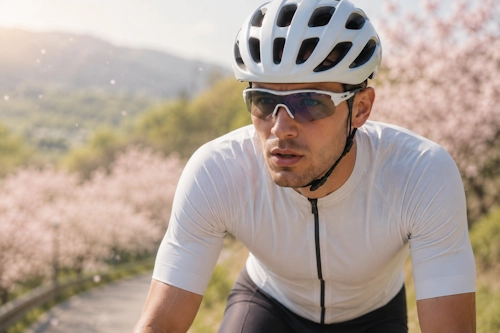
When you hit a hill, it is easy to gasp for air. This pulls more pollen deep into your lungs. Instead, try to keep your breathing steady and rhythmic. When you focus on smooth exhalations, you reduce irritation and keep your heart rate under control.
Avoid riding directly behind other cyclists
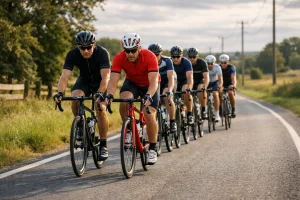
When you sit on a wheel, you ride in the slipstream where pollen, dust, and debris swirl around. When you leave a small gap, you breathe cleaner air and reduce irritation.
Hydration Tips to Keep Symptoms Down
Drink before you feel thirsty
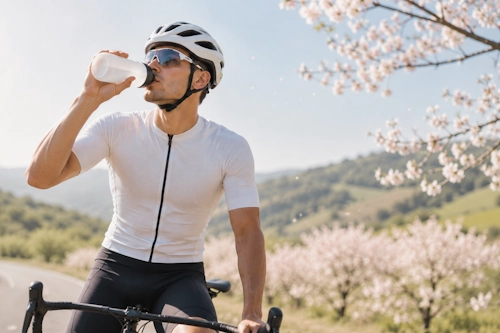
Allergy symptoms often worsen when you are slightly dehydrated. When your airways dry out, pollen sticks more easily and causes more irritation. When you sip water regularly, you keep your throat and nasal passages moist and more resilient.
Use electrolytes on warmer days
As temperatures rise, you lose more fluid through sweat. When you add electrolytes to your bottle, you replace what you lose and keep your energy levels stable. This helps your body cope better with allergens because it avoids unnecessary stress.
Rinse your mouth and face after your ride
When you finish your ride, a quick rinse removes pollen from your skin and reduces the chance of irritation later in the day. It is a simple habit that makes a noticeable difference.
Gear Choices That Help You Ride More Comfortably
Wear glasses with good side coverage
When you choose glasses that wrap around your face, you block more pollen from reaching your eyes. Clear or lightly tinted lenses work well on cloudy spring days. Darker lenses are ideal when the sun is out.
Use a lightweight face covering when pollen is high
A breathable neck tube can filter out a surprising amount of pollen. When you pull it over your nose and mouth on busy roads or windy sections, you reduce irritation without feeling restricted.
Choose moisture‑wicking clothing
When your clothing pulls sweat away from your skin, pollen is less likely to stick to you. This keeps you more comfortable during and after your ride.
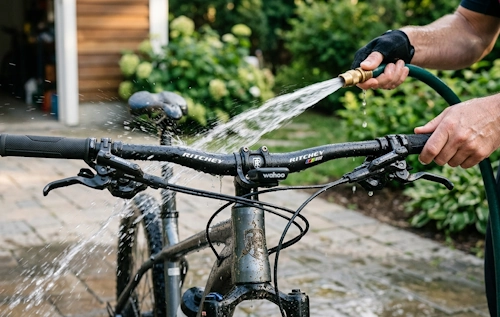
Keep your bike clean
Pollen collects on your frame, bars, and cables. When you wipe your bike down after each ride, you prevent it from transferring onto your hands and face the next time you head out.
Route Planning Tips for Allergy Season
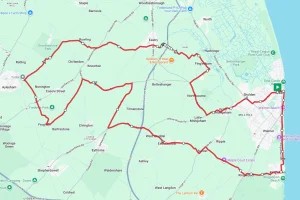
When you choose routes away from open fields, hedgerows, and tree‑lined lanes, you reduce your exposure. Urban routes can be surprisingly comfortable on high pollen days because buildings block pollen movement. When you check the daily pollen forecast before you ride, you can adjust your route and timing to stay ahead of the worst conditions.
When to Take a Break
If your symptoms suddenly worsen or you feel tightness in your chest, it is important to ease off. A short rest day can help your body recover. When you return to the bike with a plan, you often feel much better.
Final Thoughts
Allergy season does not have to stop your cycling. When you manage your breathing, stay hydrated, and choose the right gear, you can ride comfortably through the spring months. Small adjustments make a big difference and help you enjoy the best part of the cycling year.
For more great tips and advice visit our Index Page